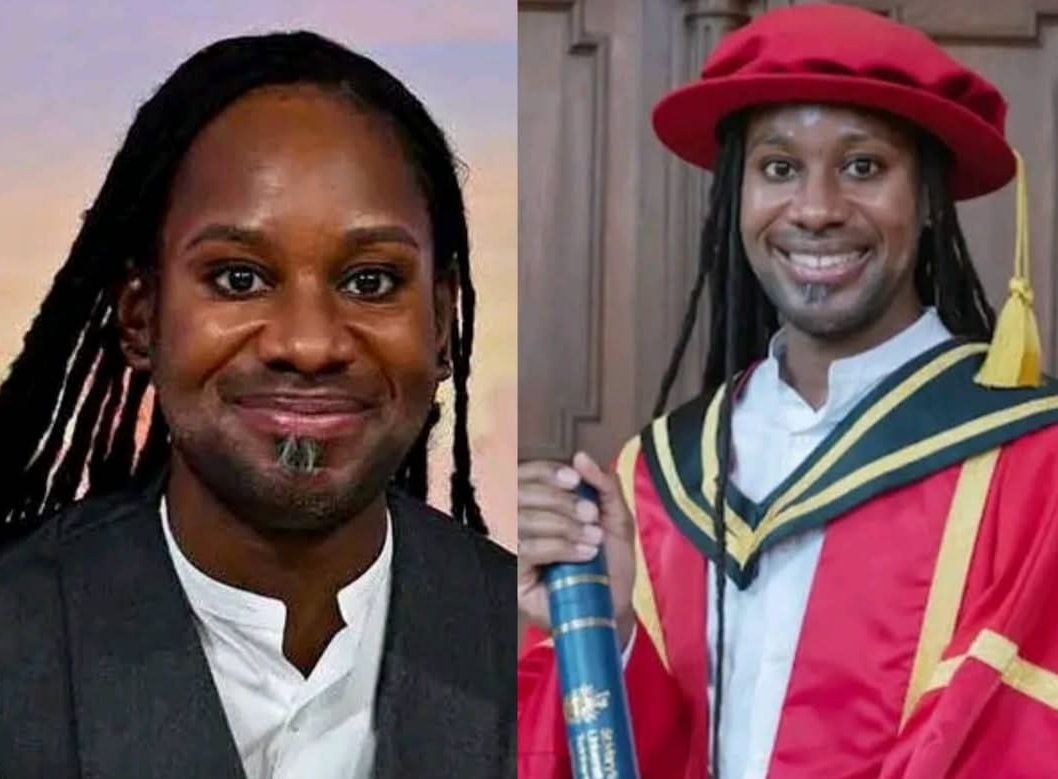
Jason Arday, the former University of Cambridge professor who resigned amid a high-profile plagiarism scandal intertwined with allegations of racism, was found dead on Friday, the elite institution confirmed.
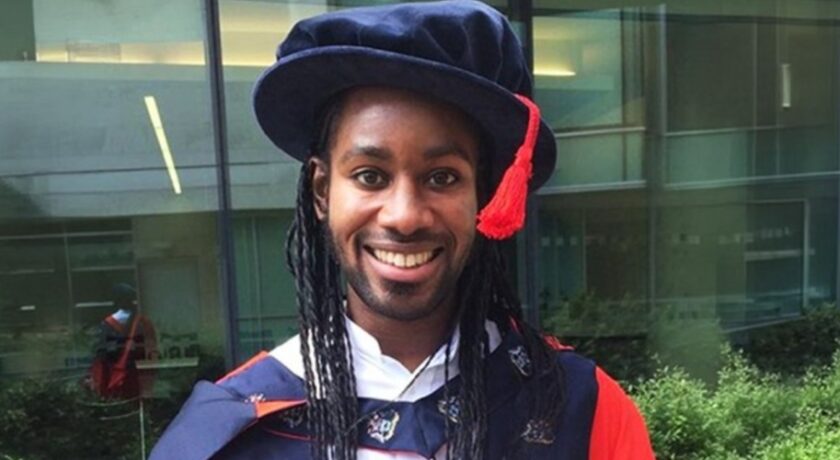
The 41-year-old academic was discovered unresponsive Friday afternoon at a property in South London, according to the Metropolitan Police Service. While authorities have not officially confirmed the identity of the deceased, the university moved swiftly to acknowledge the loss of its former faculty member.
“We are desperately saddened to hear this tragic news,” Cambridge University’s Vice-Chancellor, Deborah Prentice, said in a brief statement.
Following his tragic passing, Arday’s family forcefully condemned a relentless “campaign of harassment” waged against the academic, claiming intense public scrutiny targeted both his professional portfolio and private life.
“The campaign of misinformation was too much for Jason, who was a gentle man and who always wanted to see the best in everyone,” the grieving family stated in a poignant release distributed through his publisher, Simon & Schuster UK.
Sooth News previously broke the news of Arday’s resignation on Saturday, August 8. The institutional crisis originally erupted when academic peers and investigative media reports accused the sociologist—who made history in 2023 as Cambridge’s youngest Black professor—of plagiarizing portions of his doctoral dissertation.
In the days leading up to his death, those text-theft allegations became weaponized by right-wing British newspapers and conservative commentators. Critics aggressively seized on the controversy to argue that Arday’s rapid institutional rise was an unearned byproduct of diversity, equity, and inclusion (DEI) policies.
On August 5, Arday abruptly cut ties with the historic institution, resigning both his prestigious professorship and his fellowship at Jesus College just as formal university investigations were launched into the escalating accusations.
In a poignant resignation letter published online, the academic maintained his innocence, explaining that stepping down was “the only way” to bring a “difficult period” to a close. However, he drew a firm line against his critics, explicitly stating that his departure should not be “mistaken for an acceptance of the narratives that have surrounded me.”