In a decisive move to salvage communities from substance dependency, the National Drug Law Enforcement Agency (NDLEA) has commenced a comprehensive nationwide training programme for its counsellors. The initiative is strategically aimed at standardizing operational protocols and strengthening clinical competencies, aligning Nigeria’s drug demand reduction initiatives with global best practices.

According to an official statement released on Friday, August 28, 2026, by the NDLEA Director of Media and Advocacy, Femi Babafemi, the intensive exercise is currently underway at the NDLEA Academy in Jos, Plateau State. Coordinated by the Directorate of Counselling, Treatment and Rehabilitation (DCTR), the specialized training brings together over 100 frontline counsellors drawn from various command formations across the country.
The exercise marks the first agency-driven, specialized capacity-building intervention for NDLEA counsellors in several years. Participants have widely commended the milestone as a tangible demonstration of the leadership’s renewed commitment to professionalizing its counselling workforce and scaling up institutional rehabilitation standards.

Speaking at the commencement of the training’s first phase, the Chairman and Chief Executive Officer of the NDLEA, Brig. Gen. Mohamed Buba Marwa (Rtd)—represented by the Director of Counselling, Treatment, and Rehabilitation, ACGN Bashir Ibrahim—declared the exercise vital to revitalizing staff morale. He emphasized that equipping officers with modern therapeutic tools is critical to tackling the evolving complexities of substance use disorders, describing the initiative as a firm reaffirmation of the rehabilitation pillar within the agency’s core mandate to guarantee that clients receive evidence-based, premium interventions.

According to Marwa, “Key objectives of the training include harmonizing practice through uniform protocols across all State Command rehabilitation facilities; enhancing clinical proficiency to address emerging psychoactive substances and co-occurring mental health disorders; aligning the Agency’s rehabilitation practices with national and international standards; strengthening ethics, confidentiality, and quality assurance; improving data management for evidence-based policymaking; promoting continuous professional development through peer review and clinical supervision; and optimizing rehabilitation outcomes by reducing inconsistencies in service delivery.”
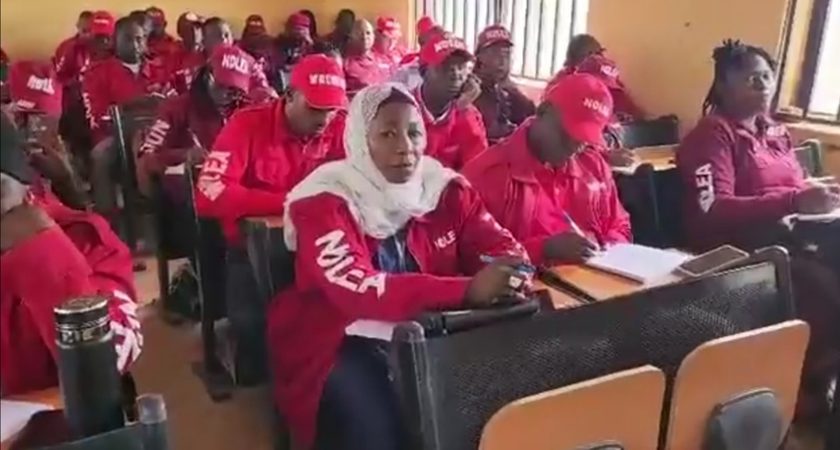
He further noted that the initiative underscores the agency’s unyielding commitment to building a resilient, well-equipped counseling workforce capable of responding dynamically to the nation’s drug demand reduction needs.
The NDLEA Chairman also stated that this systemic upgrade is projected to significantly elevate the quality of care across NDLEA rehabilitation facilities, while reinforcing the integrity of Nigeria’s clinical treatment architecture.
Marwa assured stakeholders that the agency will sustain aggressive investment in personnel capacity as part of its holistic strategy to simultaneously dismantle drug supply networks and suppress domestic demand.