
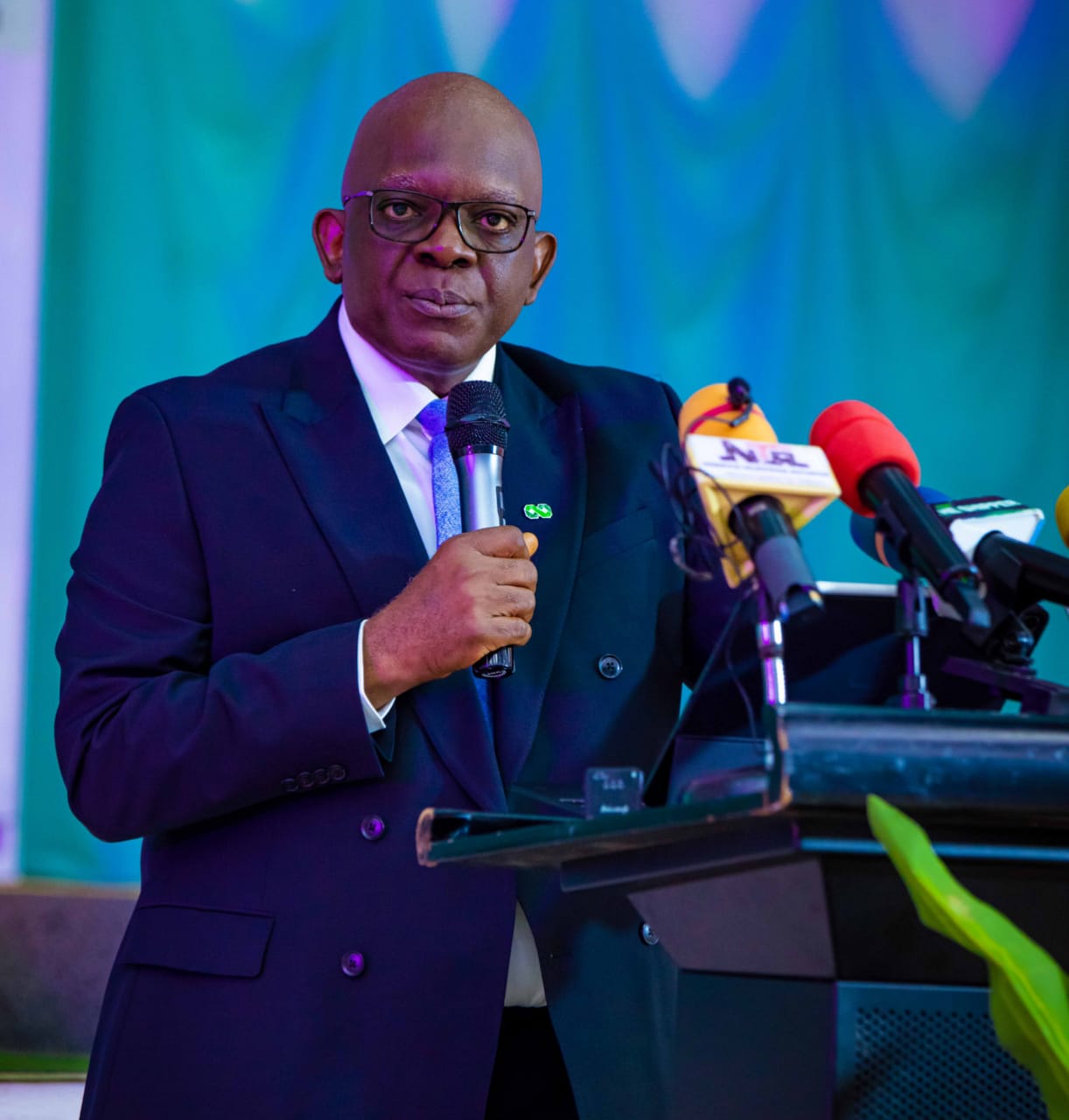
On the sidelines of the Council’s Management Retreat at the Conference Hotel in Abeokuta, Dr. Akutah urged shipping companies and freight forwarders to “sheathe their swords” and return to the negotiating table. He emphasized that securing a mutually beneficial agreement hinges on both parties demonstrating the flexibility and willingness to find common ground.

In a statement released by Rebecca Adamu, Head of Public Relations for the NSC, Dr. Akutah emphasized that meaningful engagement and compromise are vital to preventing operational disruptions and ensuring long-term stability for Nigeria’s maritime sector. He clarified that while the Council rejected tariff hikes for the past two years, the current approval is a strategic response to operational realities—not an attempt to pad profit margins
The NSC Chief clarified that while the Council has officially sanctioned the tariff adjustment in its role as industry regulator, the onus now lies on shipping companies and freight forwarders to harmonize modalities for its seamless implementation.
“I think they need to work together more harmoniously to resolve these issues. As a regulator, we have given approval, but it is left for the shipping companies and freight forwarders to reach a common ground on how the charges will be implemented,” he said.
He stressed that compromise is the cornerstone of resolving industry disputes, warning that rigid positions will only stall progress and prolong the current impasse.
“There must be a willingness for both sides to shift ground. It has to be a give-and-take relationship. Whenever there is a standstill and no one is ready to move, it becomes a problem,” Akutah added.
Dr. Akutah further urged stakeholders to return to the negotiating table to secure a lasting resolution to the tariff dispute. He issued a firm warning that the Council will escalate the matter to the Minister of Marine and Blue Economy, Adegboyega Oyetola, should both parties fail to reach an amicable settlement.
“We cannot sit back and watch this continue indefinitely. If they are unable to resolve it, it may get to a point where the matter will be escalated to the level of the Minister,” he stated.
He underscored that sustained collaboration among stakeholders is the lifeblood of a high-performing maritime sector, ensuring its operations remain seamless and resilient.
“If shipping companies say there will be no increase in charges, yet the cost of operations prevents them from carrying out their functions effectively, then the maritime sector will suffer. Stakeholders must therefore understand that this is a relationship that must continue to work for everyone,” he said.