In a relentless crackdown on narcotics, the Federal Government has reaffirmed its commitment to crushing drug cartels and preventing substance abuse across Nigeria. Moving beyond law enforcement, the government is expanding rehabilitation access and prioritizing public healthcare to safeguard the well-being of all citizens.

This was disclosed in a statement released on Wednesday by the NDLEA Director of Media and Advocacy, Femi Babafemi. According to the statement, the Secretary to the Government of the Federation, Senator George Akume, gave the assurance at the opening ceremony of the National Drug Use Summit in Abuja. The ongoing event is themed: “Addressing Illicit Drug Use and Trafficking: A Call to National Action.”
“On behalf of the Federal Government of Nigeria, and on behalf of His Excellency, President Bola Ahmed Tinubu, GCFR, I reaffirm our unwavering commitment to every initiative aimed at preventing illicit drug use, dismantling trafficking networks, expanding access to treatment and rehabilitation, and promoting the wellbeing of all Nigerians,” the SGF stated.
Senator Akume delivered these remarks as the Special Guest of Honour at the opening session of the summit, a collaborative initiative organized by the National Drug Law Enforcement Agency (NDLEA), the Federal Ministry of Health and Social Welfare, and the United Nations Office on Drugs and Crime.

Explaining the government’s aggressive approach to the drug crisis, the SGF, represented by the Permanent Secretary of General Services (OSGF), Dr. Adamu Ibrahim Kana, emphasized that Nigeria will not sit idly by while its youth population is threatened by substance abuse.
Emphasizing the severe toll of the crisis, Dr. Kana stated: “No nation can achieve sustainable development when its young population is threatened by drug abuse and addiction. No society can attain lasting peace and prosperity when criminal networks engaged in illicit trafficking continue to undermine its institutions and exploit its vulnerabilities.”

He maintained that this reality must drive the government’s current strategy. “This much we know, and this much must guide our resolve. This summit, therefore, presents a timely opportunity for us to renew our collective commitment, deepen our partnerships and chart a clear, coordinated pathway towards a healthier, safer and more resilient Nigeria.

“Let me assure you that the administration of President Bola Ahmed Tinubu remains firmly committed to the health, safety and wellbeing of every Nigerian. Under the Renewed Hope Agenda, we are building resilient communities, promoting mental health, empowering our young people and strengthening the institutions that must confront these emerging social challenges,” he declared.
After commending the joint initiative by the NDLEA, the Ministry of Health, and the UNODC, the summit shifted focus to the opening remarks of the anti-drug agency’s leadership.
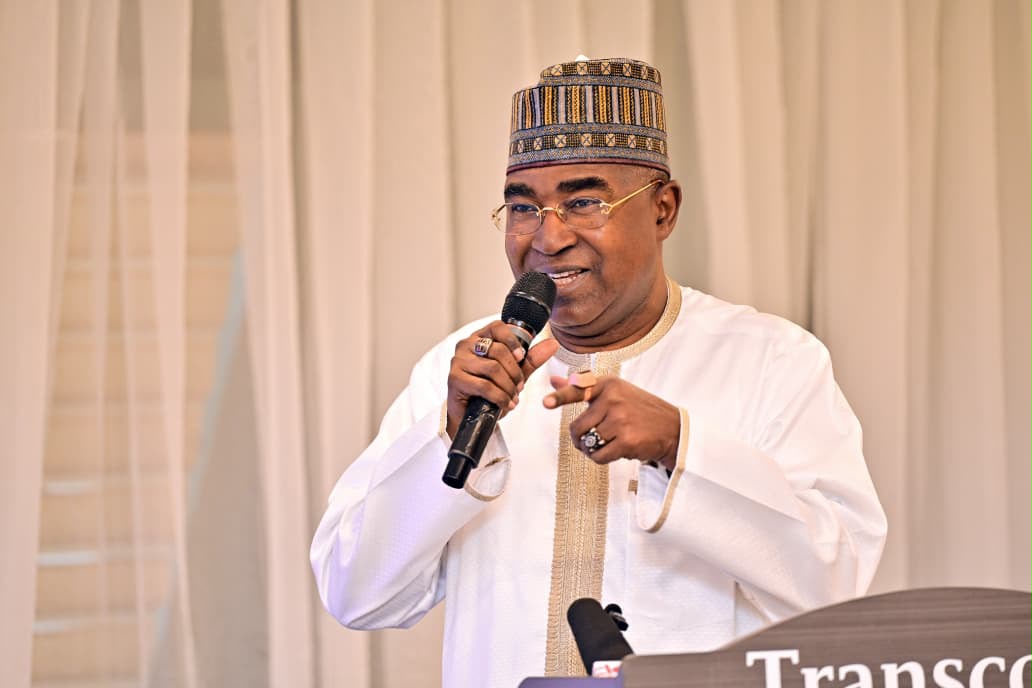
Welcoming delegates, the Chairman and Chief Executive Officer of the NDLEA, Brig. Gen. Mohammed Buba Marwa (rtd), stated that the summit provides a strategic national platform for reflection, dialogue, and collective action against the growing burden of substance use disorders.

Coming on the heels of a week-long World Drug Day campaign dedicated to deepening public understanding, Marwa noted that such sustained institutional momentum “testifies to our shared commitment to confronting Nigeria’s evolving drug situation through coordinated, evidence-based, and innovative action.”
While highlighting the extensive achievements recorded by the NDLEA in drug supply and demand reduction, Marwa noted that it has become increasingly evident that no single agency can confront the drug crisis in isolation.
“The scale of this challenge demands a whole-of-government and whole-of-society response, one that mobilises every stakeholder: government institutions, communities, families, development partners, the private sector, religious and traditional leaders, civil society and the media.

“This Summit is therefore both timely and necessary. It aligns with the global call to confront persisting drug challenges with innovative, collaborative responses, and it offers us a unique opportunity to build consensus around a coordinated National Action Plan, one that strengthens prevention, treatment, rehabilitation, data collection, policy implementation and community resilience.
“Over the years, the National Drug Law Enforcement Agency has remained steadfast in its mandate to combat this menace through a balanced and comprehensive approach.
”On the supply reduction front, the Agency has recorded significant successes in drug seizures, arrests, convictions and the dismantling of trafficking networks. Our operational feats in the last 18 months alone speak to this: a total of 29,262 arrests leading to the seizure of 5,305,484.88 kilograms of assorted illicit drugs valued at over N1.5 Trillion and the conviction of 5,225 offenders.
“Equally important have been our demand reduction efforts. Through the War Against Drug Abuse (WADA) campaign, we have sustained nationwide awareness initiatives across communities, schools and institutions. We have broadened access to counselling, treatment and rehabilitation services, while advancing preventive interventions such as our school-based Non-Punitive Drug Testing Policy.

”Within the same period of 18 months, we have conducted 6,645 drug use prevention focused sensitization and awareness creation programmes in schools, worship centres, work places, markets, motor parks and communities, and correctional facilities, among others, equipping nearly five million Nigerians with the life skills to resist drug abuse. Equally significant is the counselling, treatment and rehabilitation of 13,508 drug users across our 31 rehab centres spread all over the country.
“Worthy of particular note, too, is the launch of the Alternative Development Initiative for cannabis sativa growers, designed to support their transition from illicit cultivation to cash crop production and other sustainable livelihoods,” the NDLEA boss emphasized.
Marwa expressed confidence that through strong partnerships, shared responsibility, and sustained commitment, Nigeria can radically crush the burden of drug abuse to build a healthier, safer, and more prosperous nation.

Taking the podium, the Minister of Health and Social Welfare, Prof. Ali Pate, issued a stern challenge, warning that the gathering must not end as a mere talk shop. “The measure of this summit will not be the communique,” Prof. Pate declared. “It will be the number of young people who choose not to start drugs. It will be the number of patients who sleep without pain. It will be the number of families restored. The Federal Ministry of Health stands ready to lead, to coordinate, to collaborate, and to deliver.”
Also speaking at the event, the Country Representative of the United Nations Office on Drugs and Crime (UNODC), Mr. Cheikh Touré—represented by Dr. Akanidomo Ibanga—praised the robust collaboration between ministries, agencies, civil society, and private sector partners. He noted that the massive turnout was a powerful demonstration of Nigeria’s forward-looking approach to tackling the drug epidemic.
Reinforcing the global agency’s commitment, he declared: “As the United Nations, we stand here today not as individual agencies, but as one system—united in our support to Nigeria. The UN family is working collectively to support a comprehensive, balanced, and evidence-based response.

“We meet at a critical time,” Dr. Ibanga warned. “The scale and evolving nature of drug use in Nigeria—marked by emerging substances and shifting patterns—require us to act with urgency, but also with clarity and purpose. Beyond the numbers are lives, communities, and futures that depend on the strength of our response.”
Issuing a final charge to the stakeholders, he added: “This summit is therefore more than a convening. It is a moment of alignment—a moment to reaffirm our shared commitment to the National Drug Control Master Plan and to translate that commitment into practical, measurable action.”
The high-level summit drew a powerful coalition of government ministries, departments, and agencies, alongside the military, security forces, development partners, and civil society groups.