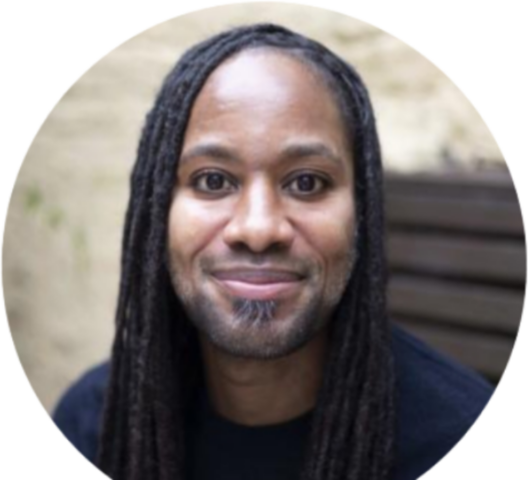

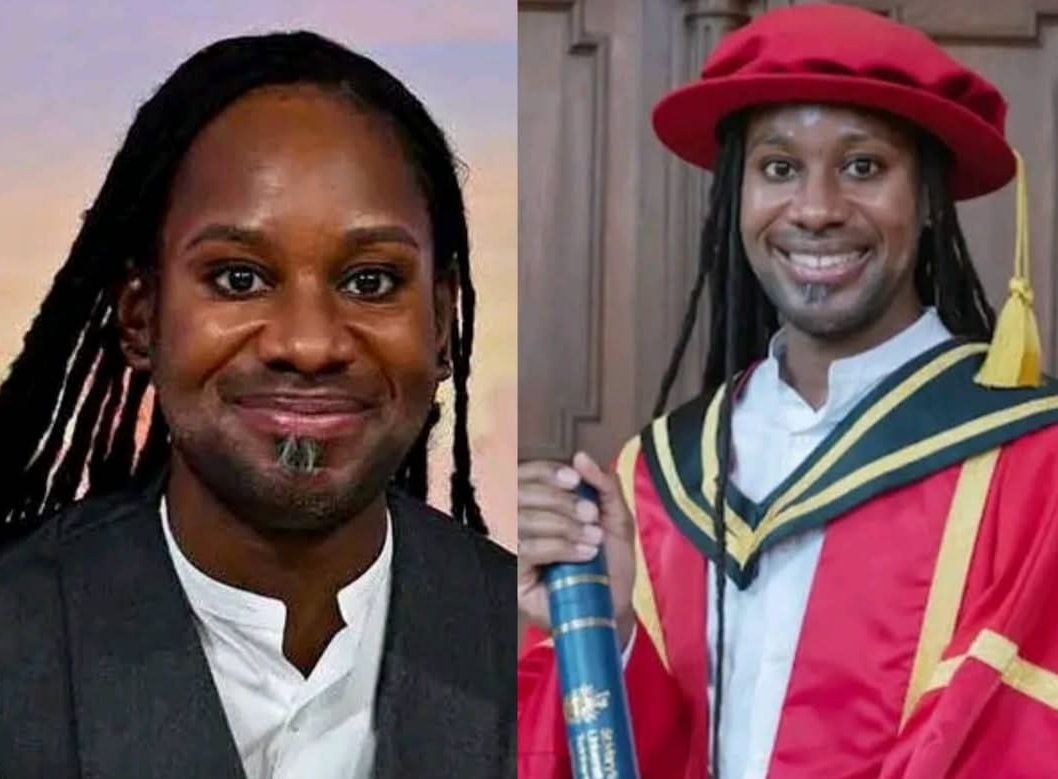
The University of Cambridge is facing intense scrutiny over its academic integrity and diversity initiatives following the resignation of its youngest Black professor, who stepped down amid plagiarism allegations.
When Jason Arday was appointed in 2023, the institution celebrated the decision as a landmark moment for progressive representation. Recently, Cambridge confirms it has launched an investigation after “new information” emerged regarding his academic qualifications and honorary appointments.
This unfolding crisis leaves the elite institution facing two uncomfortable questions:
Did Cambridge fail to properly vet Arday’s credentials before hiring him?
Did an institutional drive to project a more diverse image cause decision-makers to overlook critical red flags?
For an institution globally revered for academic excellence and groundbreaking research, this crisis exposes a deeper fracture in its executive decision-making and inner corporate culture.
The primary threat to the university’s global standing hinges entirely on the severe plagiarism allegations currently under investigation, accusations which Arday vigorously denies, precisely because they strike at the foundational core of academic integrity.
Operationally, the University of Cambridge defines this fundamental breach through its strict standard of plagiarism: “passing off someone else’s work as if it were your own without appropriate acknowledgement”.
In the scholarly arena, there is no allegation more serious that can be levelled at an academic.
After all, one of the fundamental pillars of any elite, research-led university is the organic creation of knowledge through original thinking, insights, and relentless inquiry. The sheer quality of this output forms the bedrock of Cambridge’s global reputation, acting as its primary mechanism for securing significant institutional funding.
Headline Briefs;
“Cambridge professor at centre of plagiarism row resigns”
“Cambridge professor at centre of plagiarism row defends his work”
Tracking the Non-Elite Pedigree;
Crucially, Arday did not start his university journey at an elite institution.
His academic foundation was built far from Ivy-clad walls:
A primary degree in education studies and physical education from the University of Surrey.
A master’s degree from St Mary’s University, London.
A PhD in education awarded by Liverpool John Moores University.
The intense structural scrutiny surrounding this case circles back directly to that final milestone. The reason the PhD has attracted so much attention is because it is the first major piece of original research anyone wanting a career as an academic must complete. If the foundation itself is compromised, the entire institutional trajectory built upon it is called into question.
While Arday’s critics claim that his work relied on “copying other academics without properly crediting their work from the outset”, the embattled scholar continues to reject these allegations.
A Chain of Systemic Exposure;
The fallout from this scandal extends far beyond the cloisters of Cambridge. Before securing his historic appointment, Arday achieved rapid upward mobility across multiple elite institutions:
Serving as an associate professor at Durham University
Rising to a professor of sociology of education at the University of Glasgow.
In other words, there is a line of institutions behind Cambridge now facing similar questions about their appointment processes.
The Unravelling of Academic “Good Faith”
The systemic vulnerability exposed by this case targets a critical flaw in higher education governance: the entire higher education system relies on accepting the qualifications awarded by another institution in good faith. While statutory regulation and academic standards are meant to “create a common currency”, that foundational trust has collapsed.
What began as an isolated blog post a couple of years ago has dramatically escalated in recent weeks, as independent journalists aggressively unpick aspects of Arday’s life story and ask difficult, unanswered questions.
At this critical juncture, the University of Cambridge faces sharp questions about whether it was defending its own global prestige as much as individual academic. Just a couple of weeks ago, institutional spokespeople were briefing journalists that this was an orchestrated campaign against a Black academic, insisting that its appointment system was rigorous, and that the position would be robustly defended.
Systemic Blind SpotsWhy, then, did Cambridge harbor a blind spot that delayed a definitive investigation? For over a decade, executive leadership has worked extensively to redress the perception that the institution remains a bastion of affluent white privilege.
Writing in The Times, Roger Mosey, former master of the university’s Selwyn College, noted that while Arday’s academic background was “unconventional” for a Cambridge professor, his life story as an autistic man who said he could not read until he was 18 was precisely what had seemingly “made him a compelling candidate”.
Equality, diversity, and inclusion are entirely reasonable goals for a leading university, Mosey observed, but they risk becoming deeply contentious “when they are baked into inflexible policies and questionable appointment processes”
Part of the underlying answer may also lie in a broader, uncomfortable truth: how Black academics feel in general as part of a tiny minority in the wider university community.
The structural anxiety behind Cambridge’s recruitment scramble is deeply rooted in stark diversity metrics. According to official data from the Higher Education Statistics Agency (HESA):
In the last academic year, only 75 of Cambridge’s 6,180 academics at all levels were identified as black.
Across the entirety of the United Kingdom, a meager 270 are identified as black out of a total of more than 26,000 professors under HESA definitions—a representation ceiling hovering at around 1%.
While the University and College Union (UCU) has previously highlighted a glaring “ethnicity pay gap and called for it to be redressed,” the union pointedly “declined to comment on this case.
Fifteen Years of Sustained Scrutiny;
This crisis does not exist in a vacuum. Both Cambridge and Oxford have faced sustained scrutiny over their “whiteness” as institutions. For the last 15 years, vocal critics—most notably MP David Lammy—have aggressively challenged Oxbridge’s elite gates.
Lammy previously extracted data directly from the universities, exposing “how few offers were made to black students despite the number being awarded top A-Level grades which would potentially qualify them for a place.”
In 2018, Cambridge openly admitted it “needed help to attract more talented black students”. Unexpectedly, the chart-topping British rapper Stormzy answered the call, establishing a high-profile scholarship scheme to encourage minority student enrollment.
Although the financial support realistically targeted “a handful of students,” it served as an undeniable “reputational coup for the university—allowing it to position itself as a more open and inclusive institution.”
That polished veneer has now cracked. Executive leadership at the University of Cambridge must now navigate an incredibly delicate, high-stakes balancing act:
The Academic Credibility Imperative: Rebuilding institutional integrity from the heavy fallout of the Jason Arday plagiarism row.
The Inclusivity Risk: Mitigating how a sudden, aggressive regulatory pivot “might be perceived by future talented black students and academics” who already view elite institutions with systemic skepticism.