By: Bashir Hassan Abubakar
Bauchi State stakeholders have renewed their commitment to strengthening the implementation of the Child Rights Law and removing barriers to education for adolescent girls, following a town hall meeting convened by the Women, Child, Youth Health and Education (WCY) Initiative under the Malala-funded Adolescent Mothers’ Education Access (AMEA) Project.

The engagement brought together government officials, security agencies, the judiciary, civil society organisations, traditional and religious leaders to develop practical strategies for improving child protection, school re-entry, retention and completion for adolescent girls across the state.

Speaking at the meeting, WCY Executive Director and AMEA Project Manager, Rashidah Mukaddas, said the forum was designed to deepen stakeholders’ understanding of the Bauchi State Child Rights Law, identify implementation gaps, strengthen institutional accountability and foster coordinated partnerships that would guarantee a safer and more supportive environment for children and adolescent girls.

Also speaking, Barrister Mohamed Musa of the Bauchi State Ministry of Justice outlined the current status of the Child Rights Law and highlighted the responsibilities of key institutions in ensuring its effective implementation

Senior Programme Officer of the AMEA Project, Kamil Ali, explained that the Malala-funded initiative seeks to advance the education rights of adolescent girls, particularly young married and pregnant girls, through effective implementation of the Child Protection Law, school re-entry guidelines and stronger collaboration among government, communities, civil society and the media.

A panel discussion during the meeting examined ways to strengthen coordination among government ministries, security agencies, schools, traditional and religious institutions and civil society organisations.
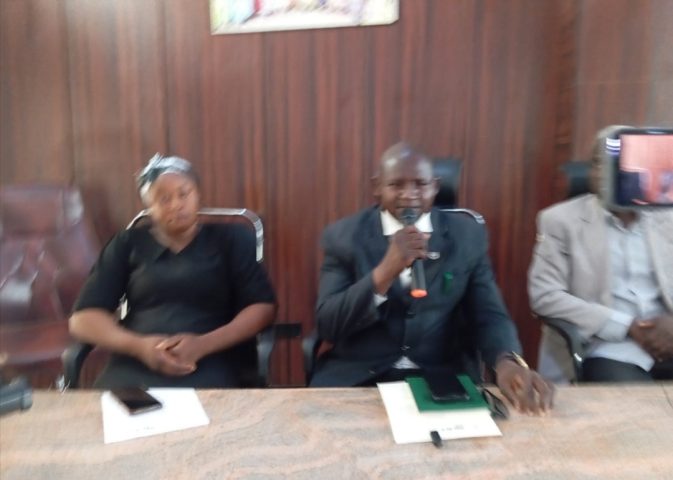
Participants identified major obstacles hindering effective implementation of the Child Rights Law and recommended practical measures to address them, including the establishment of a sustainable multi-sectoral coordination and accountability framework to improve policy enforcement, referral mechanisms and protection services.

The meeting attracted representatives from the Ministries of Justice, Education, Women Affairs and Child Development, Health and Social Welfare, Security Agencies, the Nigerian Bar Association (NBA), the International Federation of Women Lawyers (FIDA), Civil Society Organisations, and Traditional and Religious Institutions.