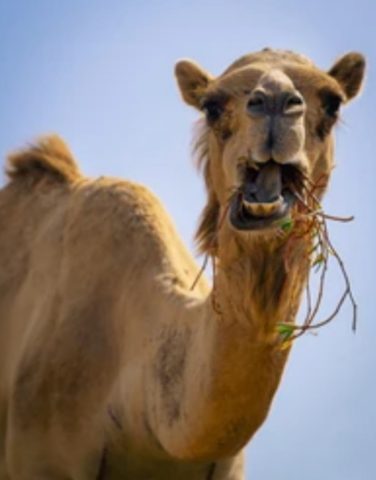

They are famously dubbed the “ships of the desert,” but even camels are failing to cope with Africa’s intensifying heatwaves. As global temperatures climb, the endurance of these legendary beasts is being pushed past its absolute limit.

The crisis is starkly visible on the ground. According to a BBC report: “The Afar region of north-eastern Ethiopia is one of the hottest and driest places on Earth, where nomads often lead camel caravans carrying salt through the desert.
“I can see my camels suffering from extreme heat,” Ali Umer, a camel herder from Semera in Afar, told the BBC.
“They get blisters on their feet, their eyes become watery and the hot sand burns their skin and eats up their hair when they are sitting,” said the 40-year-old who owns around 500 camels.

“Within the past one month I have lost eight camel calves because of the extreme heat, it has become much more intense and difficult.
“Even the wind, which used to bring cool air, now carries heat,” he said, adding he had noticed these drastic changes in the temperature in recent years.
He is not alone in his observations: scientists, animal welfare workers and various studies all mention stress, fatigue, dehydration, disease prevalence as direct impacts of extreme heat.
The higher temperatures also indirectly make camels suffer by causing severe loss of water, vegetation, and reduced shaded areas.
North Africa and the Horn of Africa host around 80% of the world’s largest population of dromedary camels – those with one hump.
Over the years, farmers and cattle herders in these regions have switched to these animals because of their resilience to harsh heat and drought conditions.
But a study based on the perception of camel herders in southern Ethiopia, published in 2025, showed that high temperatures and climate variability had had a detrimental impact on camel herd health.
“Respondents reported that climate change and variability have affected camels’ health, productivity, and reproductive performance,” it said.“