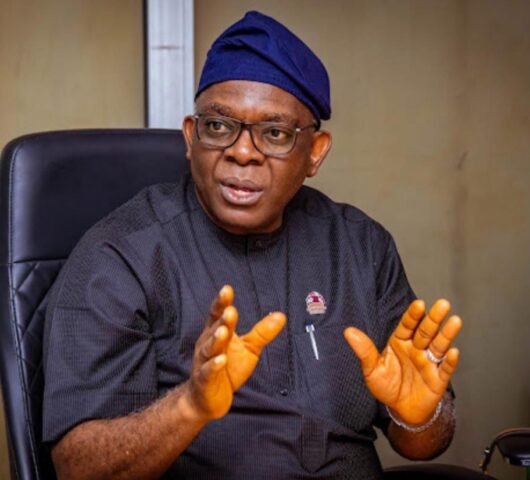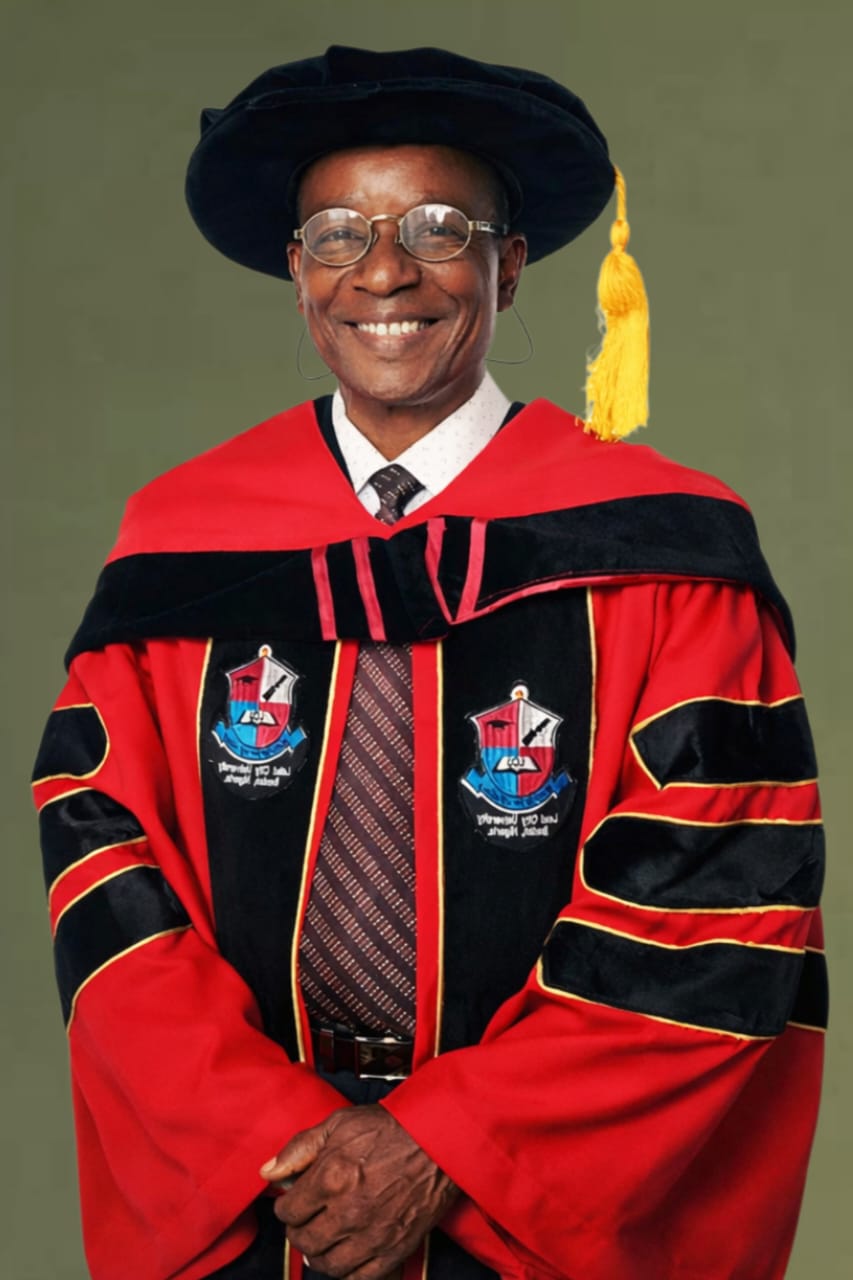
— Dr Phillip Bamiji Olusola
Lead City University, Ibadan
The recent payment of the long-awaited three months’ salary arrears to staff of Rufus Giwa Polytechnic, Owo (RUGIPO) by the Ondo State Government has undoubtedly restored a measure of relief, dignity, and renewed hope within the institution. For many staff members who endured months of financial strain, this intervention is not just a payment, it is a reaffirmation that government can, indeed, listen and respond.
This decisive action, coming months after the Governor’s promise at the Polytechnic’s convocation ceremony in October last year, stands as a commendable example of responsive governance. At a time when public trust in institutions is often fragile, fulfilling such commitments sends a powerful message: that leadership must remain accountable to the people.
On behalf of the RUGIPO community, it is only fitting to express sincere appreciation to His Excellency, the Governor of Ondo State, for honoring this obligation despite prevailing economic challenges. This gesture reflects not only administrative responsibility but also empathy – an understanding that staff welfare is not a privilege, but a necessity for institutional stability and productivity.
While this intervention is commendable and profoundly appreciated, it also brings to light a critical issue that requires urgent attention. The salaries were paid based on the former ₦18,000 minimum wage rather than the ₦77,000 recently approved at the national level. This disparity underscores the urgent need for policy alignment. Staff cannot be expected to deliver excellence under moribund wage structures in a rapidly evolving economic environment. It is, therefore, imperative that subsequent financial engagements fully reflect the current national wage standard to prevent a relapse into hardship and institutional instability.
Equally deserving of commendation are the Honourable Commissioners for Education and Finance, whose coordinated efforts made this payment possible. Their roles underscore an important truth: governance succeeds best when collaboration translates policy into tangible impact.
A special acknowledgement must be given to the Honourable Commissioner for Education, Prof. Ajibefun. His longstanding relationship with RUGIPO, first as a transformative Rector and later as Vice-Chancellor of Adekunle Ajasin University, positions him as a key figure in the institution’s present and future trajectory. His down-to-earth institutional knowledge, combined with his evident passion, inspires confidence that RUGIPO’s interests are well represented within the corridors of power.
Particularly noteworthy is his leadership of the Committee overseeing the proposed conversion of RUGIPO into a University of Agriculture, Science and Technology. This transition, if properly executed, holds immense promise. However, it must be driven not only by structural ambition but also by a deliberate commitment to fairness, inclusiveness, and human-centered policy.
Even more pressing is the plight of RUGIPO retirees – a group too often relegated to the margins of policy priorities. These individuals dedicated their most productive years to the service of the institution and the state, yet many continue to grapple with delayed gratuities and irregular pension payments. This is not merely an administrative concern; it is a moral imperative. A system that neglects its retirees risks eroding the very foundation of loyalty and service upon which public institutions are built.
The Ondo State Government must, therefore, extend its current goodwill to these retirees by instituting a clear, time-bound framework for the settlement of outstanding gratuities and the regularization of pension payments. Retirement should not be a descent into uncertainty; it should be a phase of dignity and deserved rest.
Furthermore, as plans to upgrade RUGIPO into a University of Agriculture, Science and Technology gather momentum, it is imperative that welfare considerations take center stage. Institutional transformation cannot succeed on infrastructure and policy declarations alone. It must be anchored on the well-being, motivation, and security of both serving staff and retirees.
To this end, there is an urgent need for a comprehensive review of government subventions to the institution. Funding allocations must realistically reflect current wage obligations and operational demands. Without this, the cycle of salary shortfalls and financial instability will persist, undermining both morale and productivity.
In addition, the government should establish a sustainable funding framework that ensures:
Regular and full salary payments aligned with the national minimum wage;
Dedicated budgetary provisions for gratuities and pensions;
Financial safeguards to prevent future arrears.
The payment of these salary arrears has rekindled trust, but trust, once restored, must be strengthened through consistency and foresight. This moment should not be seen as the conclusion of a struggle, but as the beginning of a broader reform agenda aimed at securing long-term welfare and institutional excellence.
In conclusion, while we commend the Ondo State Government for this timely intervention and its vision for RUGIPO’s transformation, we urge that this momentum be sustained. Let this not be a singular act of goodwill, but the foundation of a comprehensive welfare policy that prioritizes people alongside progress.
Only then can the envisioned University of Agriculture, Science and Technology emerge not just as a citadel of learning, but as a beacon of responsible governance, equity, and human dignity.
— Dr Phillip Bamiji Olusola
Lead City University, Ibadan
philip_bamiji@yahoo.com
Philipinotun@gmail.com