
By: Bashir Hassan Abubakar
A devastating malnutrition crisis is gripping Maiduguri, the capital of Borno State in northeast Nigeria, with thousands of children suffering from severe acute malnutrition.
Médecins Sans Frontières (MSF), also known as Doctors without Borders, teams are struggling to cope with the influx of patients at their outpatient therapeutic feeding centres, where staff are working around the clock to treat malnourished children.
This was disclosed to our Correspondent in a press release issued by MSF’s field communication officer, Abdulkareem Yakubu, saying that the situation is further complicated by severe shortages of essential supplies, including therapeutic milk and ready-to-use therapeutic food (RUTF), critical for treating malnourished children. Some partner health facilities have been forced to limit admissions, citing a lack of medical supplies, including antibiotics and admission kits.
MSF teams are also reporting regular admissions of patients from Zabarmari, a community currently inaccessible due to security and logistical challenges. Efforts are underway to engage with the Borno State Ministry of Health to assess and potentially support the local Primary Health Centre, ensuring residents can access vital care.
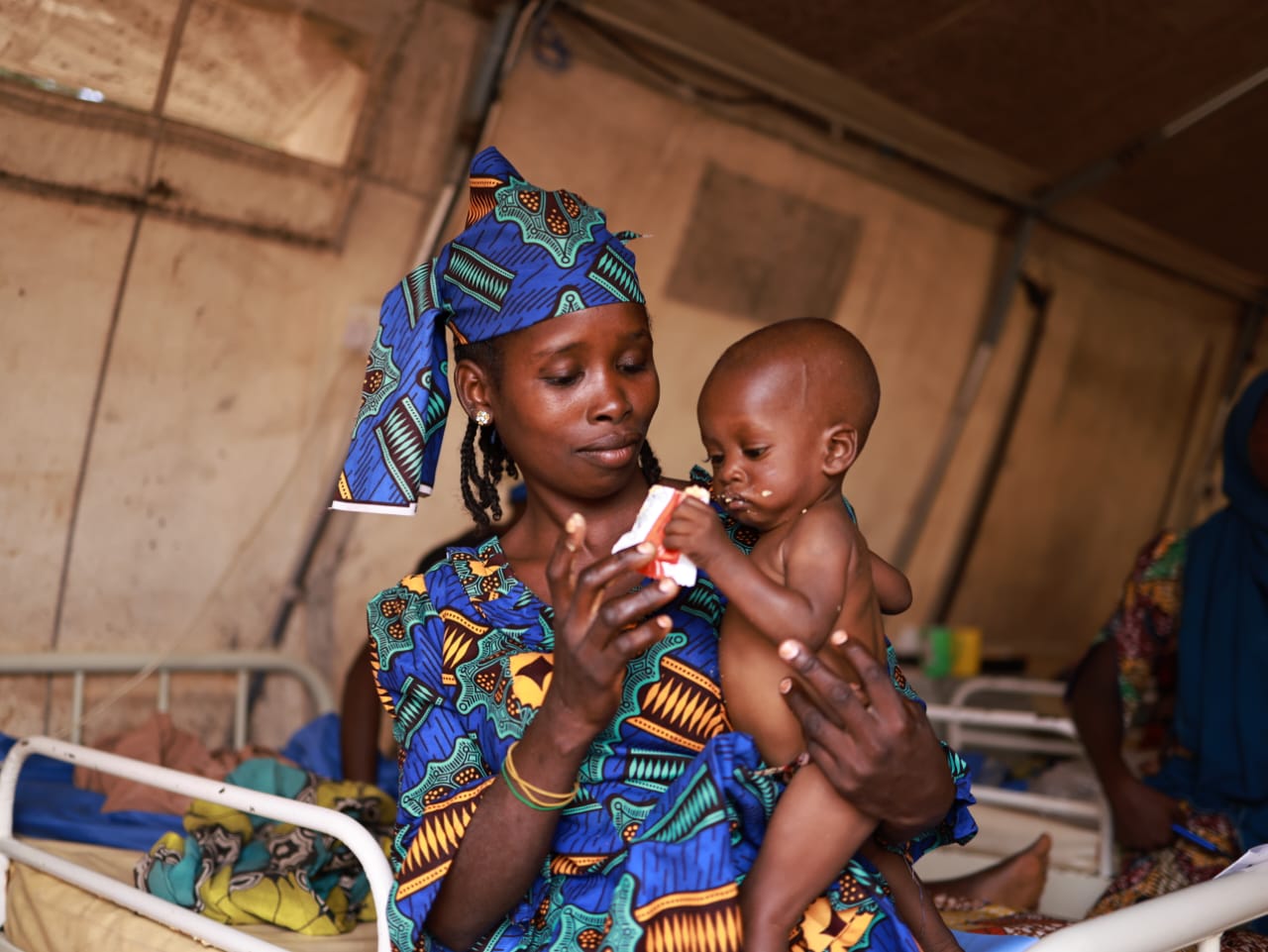
The crisis in Maiduguri reflects a broader trend across northeast Nigeria, where 2.5 million children are at risk of acute malnutrition, according to UN estimates.
MSF nutrition facilities in Kebbi, Sokoto, Kano, Katsina, and Bauchi have all seen a surge in cases in recent months.
MSF is calling on health authorities and humanitarian organizations to take urgent action to address the shortages in medical supplies and staffing, and to strengthen community-level health systems to prevent further deterioration. Without immediate intervention, the situation is likely to worsen, putting thousands more children’s lives at risk.