
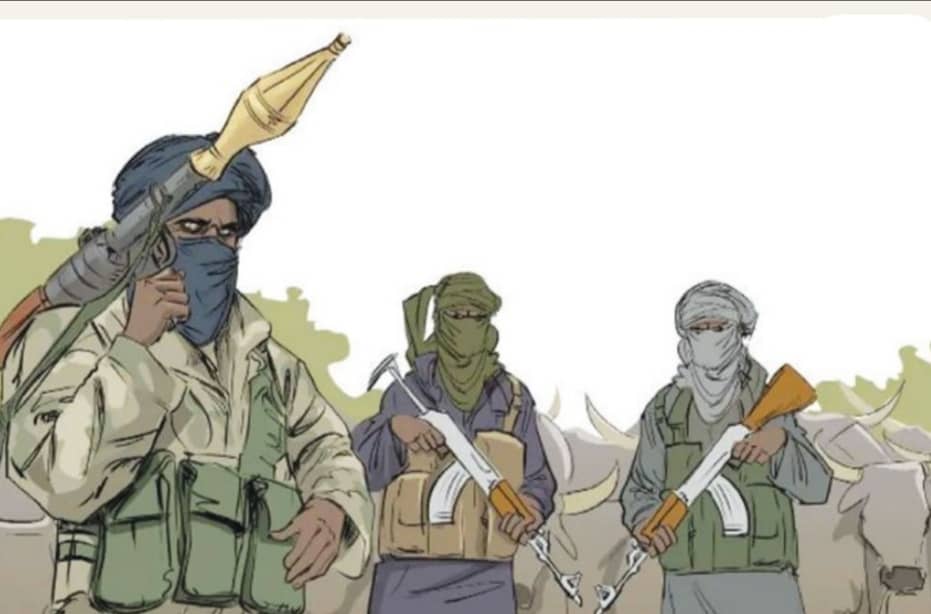
Sooth News presents an exclusive English translation of a recent BBC Hausa report. The report highlights how banditry is causing chaos across various parts of Nigeria, fostering fear and insecurity and disrupting daily life.
We have translated this story for our readers to provide a comprehensive understanding of the situation, covering the key details of the insecurity crisis currently afflicting the nation, as originally reported by the BBC.
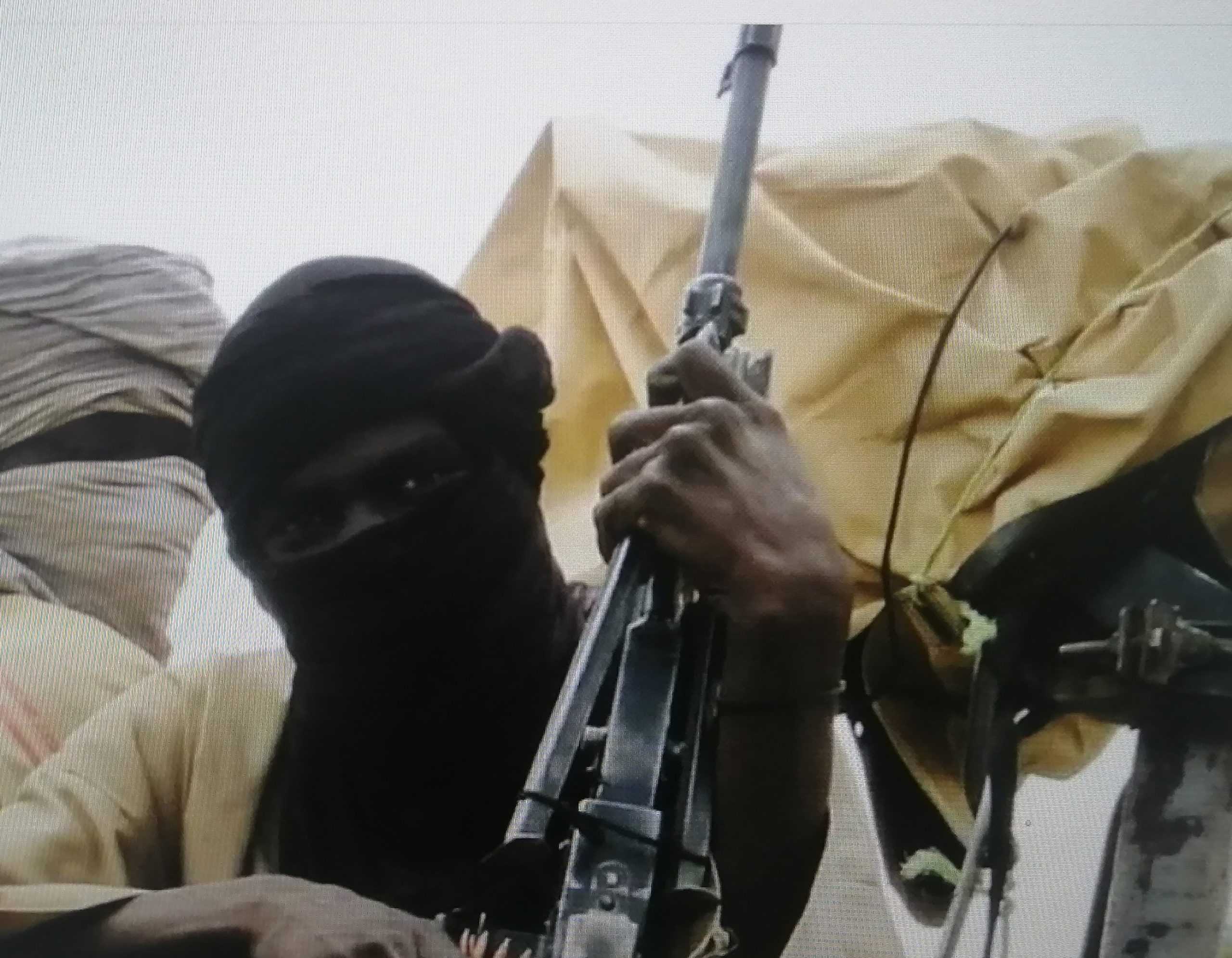
‘’Nigeria is grappling with a severe security crisis characterized by widespread kidnappings, killings, and various other security challenges.
Comments previously made by US President Donald Trump have influenced the perception of these crises, often framing them as a potential genocide against Christians, which critics argue overlooks the complex and diverse root causes of the conflicts in the vast nation.
Nigeria is composed of over 250 ethnic groups but is largely divided along religious lines: a predominantly Muslim north and a predominantly Christian south.

The Nigerian government maintains that the violence affects people of all regions and faiths indiscriminately.
Security threats are multifaceted and geographically varied.
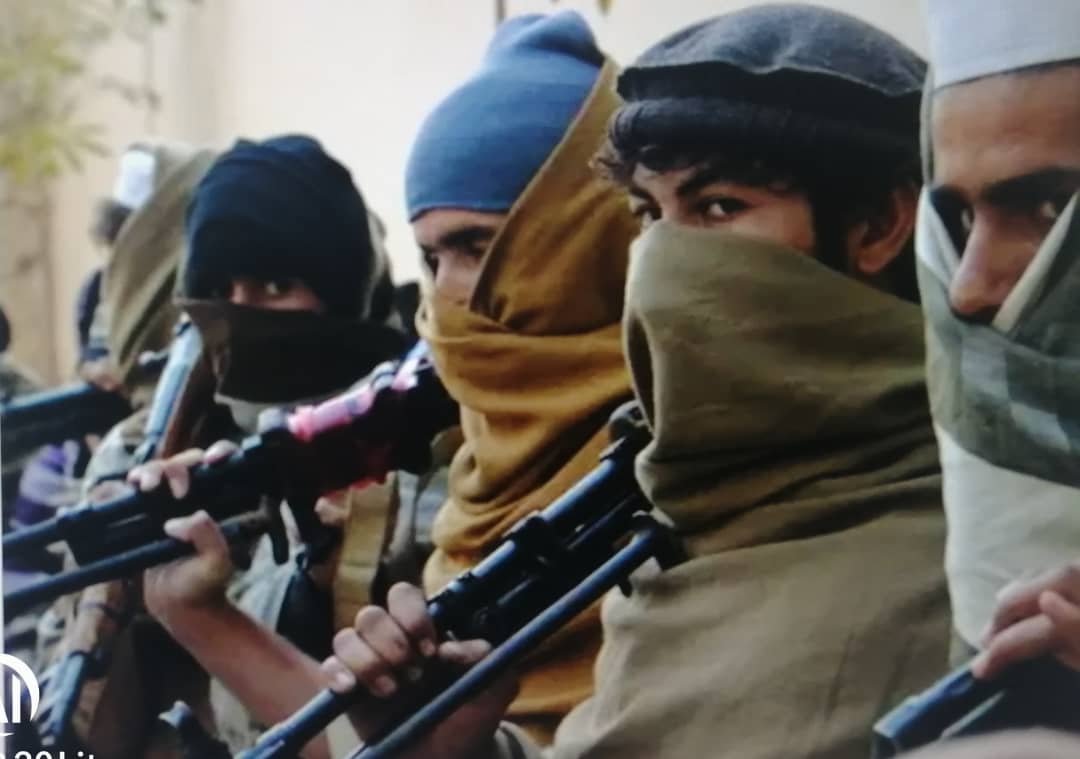
Bandit groups operate primarily in the northwest, while jihadist insurgents are concentrated in the northeast. The central region is plagued by a long-running conflict between herders and farmers, and the southeast deals with secessionist movements.
This volatile landscape places immense pressure on Nigeria’s security forces, which include approximately 400,000 soldiers and 370,000 police officers.
The following is an analysis of the various armed groups destabilizing different parts of the country, based on a recent BBC report.
The Bandits:
These groups are often alleged to be predominantly Fulani. While historically known for pastoralism, the situation has devolved into armed criminal enterprises focused on kidnapping for ransom.
Analysts note that banditry lacks religious or clear political affiliations; it is widely viewed purely as a rapid means of financial enrichment.
The structure is decentralized, with numerous independent gang leaders.
Nigerian police have offered substantial rewards for the capture of key figures, including Ado Aleru and Bello. In 2022, the Nigerian government officially designated these bandit groups as “terrorists.”
Internal conflicts are common among the gangs, and they often cross state lines to carry out attacks. They impose taxes on local residents and farmers and demand ransoms without regard for victims’ financial means.
A recent trend has seen low-level bandits using social media platforms like TikTok to display ransom cash and weapons to thousands of followers.
Boko Haram:
Boko Haram gained international notoriety in 2014 following the abduction of over 200 schoolgirls in Chibok; nearly 90 remain missing.
Founded by Mohammed Yusuf in Borno State in the northeast in 2002, the group’s formal name is Jama’atu Ahlis Sunna Lidda’awati wal-Jihad, and its goal is the establishment of an Islamic state. It is popularly known as Boko Haram due to its opposition to Western education.
Following Yusuf’s death in 2009, Abubakar Shekau assumed leadership, escalating the conflict and appointing sectional commanders.
The Chibok girls were among thousands of women and children abducted by the group.
The group later fractured, and following Shekau’s death, its power waned significantly, though it continues to launch attacks on civilians and security forces.
ISWAP (Islamic State West Africa Province:
In 2016, several Boko Haram commanders, including Abu Musab al-Barnawi—reportedly Mohammed Yusuf’s son—defected to ISWAP, accusing Shekau of indiscriminate killings of Muslims.
ISWAP has engaged in fierce conflict with Boko Haram, with clashes reported as recently as last month. The rivalry between the two factions ultimately led to Shekau’s death, as he reportedly killed himself rather than surrender to ISWAP fighters.
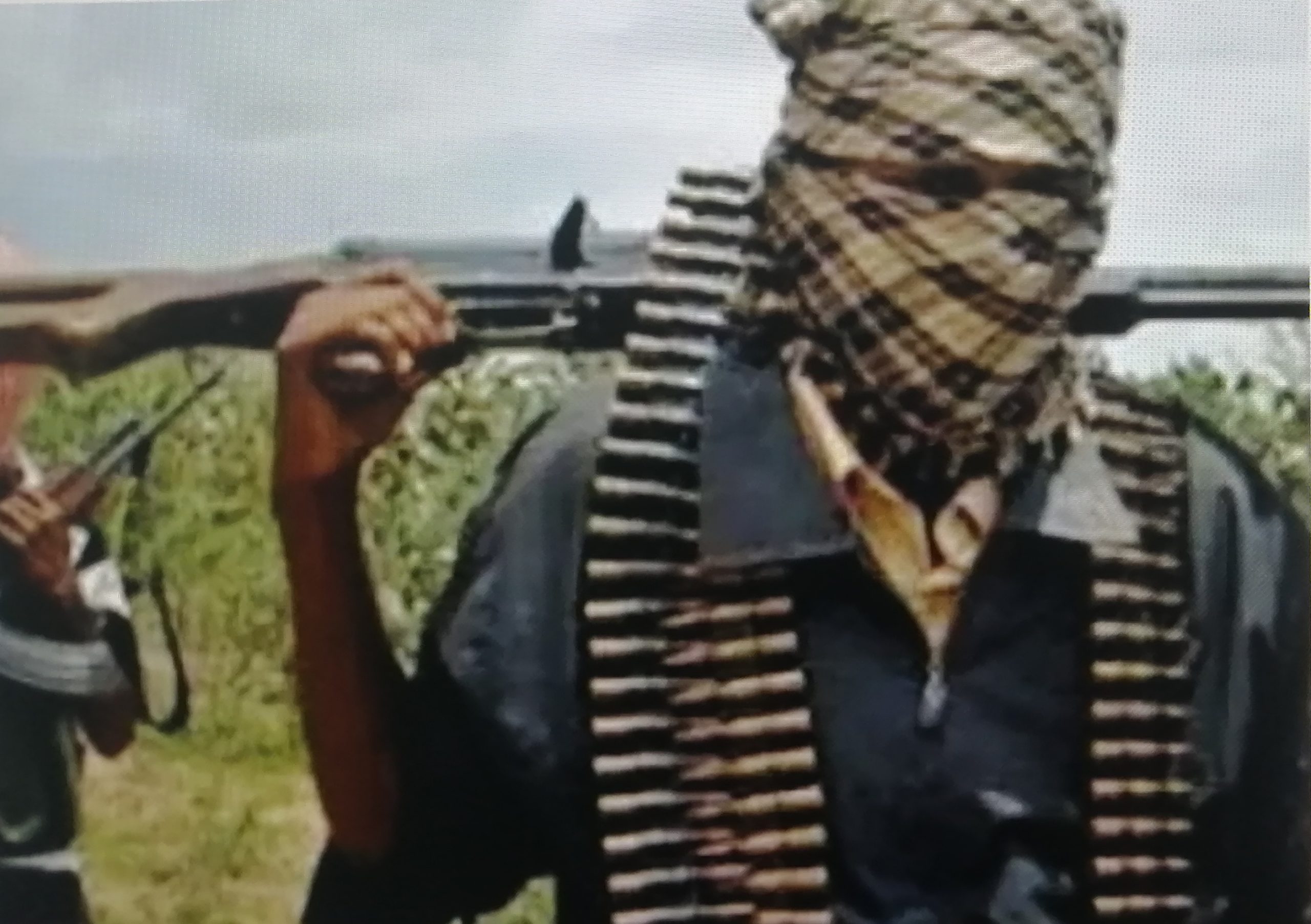
Recently, ISWAP claimed responsibility for an ambush that killed Nigerian soldiers, including a Brigadier General. Separately, in a legal proceeding, Hussaini Ismail was sentenced to 20 years in prison for his role in the 2012 Kano attacks.
While no group claimed responsibility for recent school abductions in Kebbi, Kwara, and Niger states, a government spokesperson suggested Boko Haram and ISWAP involvement.
However, some analysts, such as Bulama Bukarti, argue that the abductions in the northwest are strictly the work of local bandits, not these specific jihadist groups.
Ansaru:
Ansaru is another splinter group from Boko Haram, primarily active in the north-central region. Its members are believed responsible for the 2022 attack on the Abuja-Kaduna train, which killed at least seven people and saw over 100 abducted.
Its leader, Khalid al-Barnawi, was arrested in 2016 and is currently on trial for various attacks, including the bombing of the United Nations office in Abuja. His trial is set to resume in December.
Mahmuda Group:
The Mahmuda group is also believed to be a Boko Haram offshoot, currently centered in the Kainji region of Niger State.
The group has launched numerous attacks on markets, villages, and vigilante groups, particularly in Kwara State. In April, they attacked vigilantes and subsequently struck a market, killing several people, including Fulani residents. They are thought to be expanding their operations into northern Kwara, Niger, and Kebbi states.
Lakurawa:
The Lakurawa group is prominent in Sokoto and Kebbi states, as well as neighboring Niger Republic.
Nigerian authorities link them to jihadist groups in Mali and Niger.
Initially, they presented themselves as protectors against other bandits but have since become oppressive, enforcing strict sharia-like rules, including checking phones and flogging individuals for listening to music.
JNIM (Jama’at Nasr al-Islam wal Muslimin:
While historically strong in Mali and Burkina Faso, where they control significant territory, JNIM has started appearing in Nigeria. The group’s presence near the Nigerian border has been confirmed.
Farmer-Herder Conflict:
This long-standing issue in the north-central regions has displaced many and led to widespread arms proliferation. While often perceived as a religious conflict, it fundamentally revolves around land disputes.
Affected states include Kaduna, Plateau, Nasarawa, Benue, and Taraba. Governors in these areas have banned open grazing and introduced anti-open grazing laws to manage the conflict.
IPOB:
The push for secession originates from the effort to establish the Republic of Biafra, which caused a devastating civil war 60 years ago, resulting in over 2 million deaths.
The Igbo people continue to advocate for Biafran independence, citing allegations of marginalization.
Nnamdi Kanu leads the Indigenous People of Biafra (IPOB), which he started via Radio Biafra in 2009. In 2017, the Nigerian government declared IPOB a terrorist organization.
IPOB’s security wing, the Eastern Security Network (ESN), has been accused of abducting civilians and security forces in the southeast and enforcing mandatory “sit-at-home” orders on Mondays, causing significant economic disruption.
Earlier this year, Simon Ekpa was jailed in Finland on terrorism charges.
Last week, Kanu himself was sentenced to life imprisonment in Nigeria for terrorism offenses.

—BBC